




mylof
-
Liczba zawartości
1869 -
Rejestracja
-
Ostatnia wizyta
Zawartość dodana przez mylof
-
Klub Miłośników Zegarków Patek Philippe
mylof odpowiedział Matt2405 → na temat → ZEGARKI SZWAJCARSKIE i NIEMIECKIE
OK, dzięki za wyjaśnienie. -
Klub Miłośników Zegarków Patek Philippe
mylof odpowiedział Matt2405 → na temat → ZEGARKI SZWAJCARSKIE i NIEMIECKIE
W hotelu Raffles w Warszawie jest. Chyba, że to nie jest butik, nie wiem do końca co można nazwać butikiem. -
Klub Miłośników Zegarków Audemars Piguet
mylof odpowiedział Matt2405 → na temat → ZEGARKI SZWAJCARSKIE i NIEMIECKIE
Fajny materiał o nowych wiecznych kalendarzach AP. -
Klub Miłośników Zegarków ROLEX
mylof odpowiedział chrono-craze → na temat → ZEGARKI SZWAJCARSKIE i NIEMIECKIE
Wiem Krzysiek co masz na myśli. Mając Daytonę można już zakończyć pogoń za idealnym zegarkiem. Ten Rolex może zaspokoić wszystkie potrzeby. Zrozumieć to można jednak dopiero wtedy, gdy Daytonę zobaczy się na żywo na własnym nadgarstku. Żadne zdjęcia czy filmy na Youtube nie oddadzą nawet w małej części wrażenia jakie pojawia się podczas noszenia tego zegarka. Jest piękny, bardzo efektowny ale nie nadmiernie; dla mnie np. Royal Oak jest już trochę za bardzo błyszczący. Poza tym to kawał ciekawej historii zegarmistrzostwa; fajnie się patrzy na napis "units per hour" na bezelu ;-). Moc Daytony przejawia się także w tym, że jakikolwiek model kupimy, czy aktualny, czy sprzed 40 lat, to zawsze będzie to świetnie wyglądający i ponadczasowy zegarek. Wiem, że większość preferuje wersję z białą tarczą, ale każdemu kto rozważa zakup Daytony proponuję aby postarać się wcześniej na żywo zobaczyć też wersję z czarną tarczą. Panda jest super, lecz moim zdaniem czarna wersja jest bardziej stonowana, bardziej sportowa i na żywo wygląda wspaniale. Czarna zdecydowanie gorzej wychodzi na zdjęciach. Wiem, że bardzo się tutaj rozczulam nad Daytoną, ale niedługo miną dwa lata od kiedy kupiłem swoją w Kruku w Gdańsku, i nim dłużej ją noszę, to tym bardziej jestem tym zegarkiem zafascynowany. Wygląda na to, że nigdy mi się nie znudzi. -
Klub Miłośników Zegarków ROLEX
mylof odpowiedział chrono-craze → na temat → ZEGARKI SZWAJCARSKIE i NIEMIECKIE
Mariusz, daję Ci słowo - mój Explorer 124270 na werku 3230 potrafi czasami zrobić przez miesiąc tylko +2. W innych miesiącach przyspiesza niewiele więcej. Także za to cenię Rolexa. -
Klub Miłośników Zegarków ROLEX
mylof odpowiedział chrono-craze → na temat → ZEGARKI SZWAJCARSKIE i NIEMIECKIE
Ten zegarek raczej nigdy mi się nie znudzi. -
CH24.PL: Jacob & Co. The World Is Yours Dual Time Zone Tourbillon
mylof odpowiedział ch24.pl → na temat → NOWOŚCI ZE ŚWIATA ZEGARKÓW
Moim zdaniem tak samo obrzydliwy jak wszystkie twory Jacob&Co. Totalne bezguście. -
Klub Miłośników Zegarków ROLEX
mylof odpowiedział chrono-craze → na temat → ZEGARKI SZWAJCARSKIE i NIEMIECKIE
Niesamowity, wspaniały. I ten kruszec 😉 -
Syn mi dzisiaj dał ponosić.
-
Wybitny artysta zegarmistrzostwa. Tworzył niemalże do końca.
-
Daytona.
-
Klub Miłośników Zegarków Audemars Piguet
mylof odpowiedział Matt2405 → na temat → ZEGARKI SZWAJCARSKIE i NIEMIECKIE
Chyba niewiele osób na tym forum jest zainteresowanych AP, ale myślę, że należy jednak zauważyć, że wprowadzone z okazji 150'lecia manufaktury wieczne kalendarze, w których wszystkie ustawienia dokonywane są za pomocą jednej koronki, jest wyjątkowym osiągnięciem technicznym i ergonomicznym. Moim zdaniem jest to przełom w dziedzinie wiecznych kalendarzy. Żadne urządzenia nie są już potrzebne do nastawienia wskazań wiecznego kalendarza. Żadna inna firma nie oferuje teraz takiego udogodnienia. Kiedyś IWC miało coś podobnego, ale tamto rozwiązanie miało poważne wady. Dopiero AP zaprezentował pomysł, który daje efekt w pełni optymalny. Usprawnienie ustawień zegarka z komplikacjami, gdzie wszystko odbywa się za pomocą koronki, AP zapoczątkowało w modelu Code 11.59 Universelle (RD#4). W zeszłym tygodniu mierzyłem w jednym z AP House Code 11.59 selfwinding w różowym złocie, z zieloną tarczą i zielonym paskiem (41mm). Wspaniały zegarek ! Dobrze leży. "Koncentryczna" tarcza wygląda pięknie. Budowa koperty jest nieporównywalna z niczym innym. Jakość wykonania na najwyższym poziomie. -
Klub Miłośników Zegarków ROLEX
mylof odpowiedział chrono-craze → na temat → ZEGARKI SZWAJCARSKIE i NIEMIECKIE
Śmiałe stwierdzenie. Ciekawe, na czym je opierasz, gdyż oczywiście nie raczyłeś przedstawić żadnego uzasadnienia takiego twierdzenia. Przymierzałeś może Yacht-Mastera na RLX ? A może miałeś w ręku tytanowego Deepsea Challenge ? Na jakiej podstawie uważasz, że te zegarki są nieumiejętnie wykonane ? Nie zakładam, swoją tezę opierasz na tym, że na razie Rolex produkuje niewiele tytanowych zegarków, bo o aż tak daleko idący brak logiki Cię nie podejrzewam. Może warto się chwilę zastanowić, zanim się coś napisze na forum, zamiast zamieszczać dziesiątki tysięcy pozbawionych sensu postów. -
Klub Miłośników Zegarków ROLEX
mylof odpowiedział chrono-craze → na temat → ZEGARKI SZWAJCARSKIE i NIEMIECKIE
Ja bym chętnie zobaczył Explorera II w tytanie RLX. -
Klub Miłośników Zegarków Audemars Piguet
mylof odpowiedział Matt2405 → na temat → ZEGARKI SZWAJCARSKIE i NIEMIECKIE
Ten zegarek - wbrew pozorom - bardzo dobrze leży na nadgarstku. Dużo lepiej niż poprzednie wersje Offshore. Warto go przymierzyć, co sam uczyniłem. Na żywo robi świetne wrażenie - jakość wykonania jest wspaniała. Ja bym wybrał inną wersję kolorystyczną, ale ten szary też świetny. Natomiast divery Offshore nie leżą już aż tak dobrze. -
Grand Seiko SBGH273
-
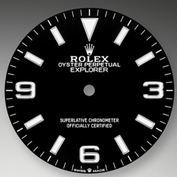
Explorer 124270, 36mm.
-
Klub Miłośników Zegarków Carl F. Bucherer
mylof odpowiedział Piotr Piątkowski → na temat → ZEGARKI SZWAJCARSKIE i NIEMIECKIE
Tak, szkoda. Brutalny ruch ze strony Rolexa. -
Klub Miłośników Zegarków Carl F. Bucherer
mylof odpowiedział Piotr Piątkowski → na temat → ZEGARKI SZWAJCARSKIE i NIEMIECKIE
Na to wygląda. https://www.hodinkee.com/articles/bilanz-reports-rolex-is-shutting-down-carl-f-bucherer -
Klub Miłośników Zegarków ROLEX
mylof odpowiedział chrono-craze → na temat → ZEGARKI SZWAJCARSKIE i NIEMIECKIE
Gratulacje ! Świetny. -
U mnie dzisiaj Daytona.
-
Klub Miłośników Zegarków Vacheron Constantin
mylof odpowiedział temat → ZEGARKI SZWAJCARSKIE i NIEMIECKIE
Zapięcie w AP RO 41mm jest inne niż w VC 222. Tylko wyglądają podobnie. Tam jest własna konstrukcja AP. -
Omega co-axial 8500 - fabryczne wady.
mylof odpowiedział Adalbert11 → na temat → ZEGARKI SZWAJCARSKIE i NIEMIECKIE
Mój zegarmistrz, który naprawiał mi 8500 Omegi zawsze powtarza, że najlepsze mechanizmy na świecie - nie do zdarcia - produkuje Rolex. -
Klub Miłośników Zegarków Vacheron Constantin
mylof odpowiedział temat → ZEGARKI SZWAJCARSKIE i NIEMIECKIE
Casing-up components Since 2011, the newly overhauled requirements cover not just the movement but also the components used for casing the movement, and the function of the watch as a whole. The components that interface with the movement and case are carefully detailed and certain components even have specific requirements. Overall the finishing is expected to be in line with the finishing applied to the movement with fine milling and turning without burs, trimmed chamfers, and all parts must be true to the original reference kit provided for that model. The casing components that are described are clamps and braces, dog screws, screws for the extensions and levers of the push pieces, casing-up rings, pivoting levers, and extensions of the push pieces. Some of these are called out specifically for part-specific finishing requirements, but they mirror things that have been stipulated about movement components. They are as follows: The clamps and braces must be finished by sanding, smoothing down, or in a tumbling drum: This is much less strict than movement components but will still result in a nicely finished component. Domed screw heads must be polished: Again, a mirror of requirements found elsewhere for similar parts. Flat screw heads must be mirror-polished with beveled rims: similarities abound as the requirements direct nearly every component to be finished in largely the same ways to maintain consistency through the watch. Nipping traces are not permitted in any material: Similar to the requirements for screws, no trace of cutting off is allowed as a way of ensuring the parts are as finished as possible. This applies to clamps, braces, levers, and push piece extensions. Casing-up rings, push piece lever,s and extensions must be finished properly in line with the sample watch submitted: This is another follow-up to make sure that the components are consistently and expertly finished, even if they are not specifically part of the movement. Testing and certification of the “watch head” (cased-up watch) Each watch – and every component for that matter – is inspected by the brand, which must also keep detailed records that are given to Timelab for inclusion in the Geneva Seal archives. This is to maintain a running record of every single component that has been included in a watch marked with the Geneva Seal as well as the performance data of each cased-up watch. This is crucial for any dispute at a later date and to show proof of inspection rigor. The tests performed on the cased-up watches simulate wear and track the actual performance against the stated figures regarding water resistance, timing accuracy, power reserve, and the individual functions of the watch. To test water resistance (and to verify the maker’s claim), the watch is tested in either air or water to a minimum of 3 bars. If the watch is specified to have a higher resistance, that figure is tested. The watch is tested to a negative pressure of 0.5 bars to simulate air travel. A watch does not need to be water-resistant to earn the Geneva Seal, but if it is not water-resistant that fact must be stated on the certificate. To test the functions, the brand must outline and have approved a testing procedure that activates all the functions of the watch over one testing cycle. This allows the verification of any special functions and mechanisms that are not directly related to the telling of time. The function test spills over into the accuracy testing as most of the functions are automatically activated over the seven-day accuracy testing period. This test occurs over seven consecutive days and sees the watch moved to simulate natural wearing on a person’s wrist. This specifically involves the watch moving through one revolution per minute for 14 hours before being stopped in a random position for 14 more hours. All manual or automatic watches begin the test fully wound while the process is repeated for seven days. Automatic watches are never rewound (aside from the natural motion created by testing the movement), while manual winding watches are fully rewound every 24 hours. Readings on day 0 and 7 are compared visually and against a reference time. The maximum amount of deviation allowed is less than or equal to one minute over the entire seven days. Any automatically advancing functions are checked for accuracy at the end of the seven days, and if the watch features a perpetual calendar, the date is set to February 26 of a leap year at the beginning of the test to check the advancing of the date mechanism at its most complicated. If the watch features a chronograph, it must be activated for the first 24 hours of the test. Finally, for testing the power reserve, the watch is fully wound and left dial up to run down. The watch must meet or exceed its claimed power reserve. If the watch features a chronograph, the power reserve must be specified to be considered when the chronograph is running or stopped. This is a big issue with chronograph watches as the accuracy and power reserve can drop dramatically from claimed values if the chronograph runs for a long time. -
Klub Miłośników Zegarków Vacheron Constantin
mylof odpowiedział temat → ZEGARKI SZWAJCARSKIE i NIEMIECKIE
Zapytam z ciekawości, w którym konkretnie nowym modelu AP występuje takie zapięcie jak w omawianym tutaj VC 222 ?