






mylof
-
Liczba zawartości
1921 -
Rejestracja
-
Ostatnia wizyta
Zawartość dodana przez mylof
-
Klub Miłośników Zegarków A. Lange & Söhne
mylof odpowiedział temat → ZEGARKI SZWAJCARSKIE i NIEMIECKIE
To się zapisz. -
Klub Miłośników Zegarków Patek Philippe
mylof odpowiedział Matt2405 → na temat → ZEGARKI SZWAJCARSKIE i NIEMIECKIE
Przecież stalowy Cubitus ma zaledwie 8,3 mm grubości i to z mechanizmem z automatycznym naciągiem. Co Ty byś jeszcze chciał; żeby miał 5mm ? -
Klub Miłośników Zegarków A. Lange & Söhne
mylof odpowiedział temat → ZEGARKI SZWAJCARSKIE i NIEMIECKIE
Chyba żartujesz.... -
Klub Miłośników Zegarków ROLEX
mylof odpowiedział chrono-craze → na temat → ZEGARKI SZWAJCARSKIE i NIEMIECKIE
Land-Dweller mi się podoba, a mechanizm nawet zachwyca. Myślę, że jest wręcz stworzony do wersji w Rolesor z żółtym złotem. Na takiego poczekam. -
Klub Miłośników Zegarków ROLEX
mylof odpowiedział chrono-craze → na temat → ZEGARKI SZWAJCARSKIE i NIEMIECKIE
Ciekawe czy to co przewidują się potwierdzi. Chodzi mi o kwestie mechaniczne. Byłoby rzeczywiście ciekawie. Polecam posłuchać. -
Klub Miłośników Zegarków Patek Philippe
mylof odpowiedział Matt2405 → na temat → ZEGARKI SZWAJCARSKIE i NIEMIECKIE
Poznałem gościa, który swojego Aquanauta chrono w stali kupił w salonie w Genewie. Nie odesłali go do Polski. Tak mi przynajmniej powiedział 😉 Wspaniały ! Często go nosisz czy jest na specjalne okazje ? -
Klub Miłośników Zegarków Jaeger-LeCoultre
mylof odpowiedział igory76 → na temat → ZEGARKI SZWAJCARSKIE i NIEMIECKIE
Przydałoby się. Myślę, że jeszcze trochę poczekamy zanim nowy/stary CEO JLC Jerome Lambert ponownie odciśnie swoje piętno na tej marce. -
Klub Miłośników Zegarków Patek Philippe
mylof odpowiedział Matt2405 → na temat → ZEGARKI SZWAJCARSKIE i NIEMIECKIE
OK, dzięki za wyjaśnienie. -
Klub Miłośników Zegarków Patek Philippe
mylof odpowiedział Matt2405 → na temat → ZEGARKI SZWAJCARSKIE i NIEMIECKIE
W hotelu Raffles w Warszawie jest. Chyba, że to nie jest butik, nie wiem do końca co można nazwać butikiem. -
Klub Miłośników Zegarków Audemars Piguet
mylof odpowiedział Matt2405 → na temat → ZEGARKI SZWAJCARSKIE i NIEMIECKIE
Fajny materiał o nowych wiecznych kalendarzach AP. -
Klub Miłośników Zegarków ROLEX
mylof odpowiedział chrono-craze → na temat → ZEGARKI SZWAJCARSKIE i NIEMIECKIE
Wiem Krzysiek co masz na myśli. Mając Daytonę można już zakończyć pogoń za idealnym zegarkiem. Ten Rolex może zaspokoić wszystkie potrzeby. Zrozumieć to można jednak dopiero wtedy, gdy Daytonę zobaczy się na żywo na własnym nadgarstku. Żadne zdjęcia czy filmy na Youtube nie oddadzą nawet w małej części wrażenia jakie pojawia się podczas noszenia tego zegarka. Jest piękny, bardzo efektowny ale nie nadmiernie; dla mnie np. Royal Oak jest już trochę za bardzo błyszczący. Poza tym to kawał ciekawej historii zegarmistrzostwa; fajnie się patrzy na napis "units per hour" na bezelu ;-). Moc Daytony przejawia się także w tym, że jakikolwiek model kupimy, czy aktualny, czy sprzed 40 lat, to zawsze będzie to świetnie wyglądający i ponadczasowy zegarek. Wiem, że większość preferuje wersję z białą tarczą, ale każdemu kto rozważa zakup Daytony proponuję aby postarać się wcześniej na żywo zobaczyć też wersję z czarną tarczą. Panda jest super, lecz moim zdaniem czarna wersja jest bardziej stonowana, bardziej sportowa i na żywo wygląda wspaniale. Czarna zdecydowanie gorzej wychodzi na zdjęciach. Wiem, że bardzo się tutaj rozczulam nad Daytoną, ale niedługo miną dwa lata od kiedy kupiłem swoją w Kruku w Gdańsku, i nim dłużej ją noszę, to tym bardziej jestem tym zegarkiem zafascynowany. Wygląda na to, że nigdy mi się nie znudzi. -
Klub Miłośników Zegarków ROLEX
mylof odpowiedział chrono-craze → na temat → ZEGARKI SZWAJCARSKIE i NIEMIECKIE
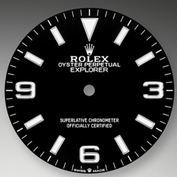
Mariusz, daję Ci słowo - mój Explorer 124270 na werku 3230 potrafi czasami zrobić przez miesiąc tylko +2. W innych miesiącach przyspiesza niewiele więcej. Także za to cenię Rolexa. -
Klub Miłośników Zegarków ROLEX
mylof odpowiedział chrono-craze → na temat → ZEGARKI SZWAJCARSKIE i NIEMIECKIE
Ten zegarek raczej nigdy mi się nie znudzi. -
CH24.PL: Jacob & Co. The World Is Yours Dual Time Zone Tourbillon
mylof odpowiedział ch24.pl → na temat → NOWOŚCI ZE ŚWIATA ZEGARKÓW
Moim zdaniem tak samo obrzydliwy jak wszystkie twory Jacob&Co. Totalne bezguście. -
Klub Miłośników Zegarków ROLEX
mylof odpowiedział chrono-craze → na temat → ZEGARKI SZWAJCARSKIE i NIEMIECKIE
Niesamowity, wspaniały. I ten kruszec 😉 -
Syn mi dzisiaj dał ponosić.
-
Wybitny artysta zegarmistrzostwa. Tworzył niemalże do końca.
-
Daytona.
-
Klub Miłośników Zegarków Audemars Piguet
mylof odpowiedział Matt2405 → na temat → ZEGARKI SZWAJCARSKIE i NIEMIECKIE
Chyba niewiele osób na tym forum jest zainteresowanych AP, ale myślę, że należy jednak zauważyć, że wprowadzone z okazji 150'lecia manufaktury wieczne kalendarze, w których wszystkie ustawienia dokonywane są za pomocą jednej koronki, jest wyjątkowym osiągnięciem technicznym i ergonomicznym. Moim zdaniem jest to przełom w dziedzinie wiecznych kalendarzy. Żadne urządzenia nie są już potrzebne do nastawienia wskazań wiecznego kalendarza. Żadna inna firma nie oferuje teraz takiego udogodnienia. Kiedyś IWC miało coś podobnego, ale tamto rozwiązanie miało poważne wady. Dopiero AP zaprezentował pomysł, który daje efekt w pełni optymalny. Usprawnienie ustawień zegarka z komplikacjami, gdzie wszystko odbywa się za pomocą koronki, AP zapoczątkowało w modelu Code 11.59 Universelle (RD#4). W zeszłym tygodniu mierzyłem w jednym z AP House Code 11.59 selfwinding w różowym złocie, z zieloną tarczą i zielonym paskiem (41mm). Wspaniały zegarek ! Dobrze leży. "Koncentryczna" tarcza wygląda pięknie. Budowa koperty jest nieporównywalna z niczym innym. Jakość wykonania na najwyższym poziomie. -
Klub Miłośników Zegarków ROLEX
mylof odpowiedział chrono-craze → na temat → ZEGARKI SZWAJCARSKIE i NIEMIECKIE
Śmiałe stwierdzenie. Ciekawe, na czym je opierasz, gdyż oczywiście nie raczyłeś przedstawić żadnego uzasadnienia takiego twierdzenia. Przymierzałeś może Yacht-Mastera na RLX ? A może miałeś w ręku tytanowego Deepsea Challenge ? Na jakiej podstawie uważasz, że te zegarki są nieumiejętnie wykonane ? Nie zakładam, swoją tezę opierasz na tym, że na razie Rolex produkuje niewiele tytanowych zegarków, bo o aż tak daleko idący brak logiki Cię nie podejrzewam. Może warto się chwilę zastanowić, zanim się coś napisze na forum, zamiast zamieszczać dziesiątki tysięcy pozbawionych sensu postów. -
Klub Miłośników Zegarków ROLEX
mylof odpowiedział chrono-craze → na temat → ZEGARKI SZWAJCARSKIE i NIEMIECKIE
Ja bym chętnie zobaczył Explorera II w tytanie RLX. -
Klub Miłośników Zegarków Audemars Piguet
mylof odpowiedział Matt2405 → na temat → ZEGARKI SZWAJCARSKIE i NIEMIECKIE
Ten zegarek - wbrew pozorom - bardzo dobrze leży na nadgarstku. Dużo lepiej niż poprzednie wersje Offshore. Warto go przymierzyć, co sam uczyniłem. Na żywo robi świetne wrażenie - jakość wykonania jest wspaniała. Ja bym wybrał inną wersję kolorystyczną, ale ten szary też świetny. Natomiast divery Offshore nie leżą już aż tak dobrze. -
Grand Seiko SBGH273
-
Explorer 124270, 36mm.
-
Klub Miłośników Zegarków Carl F. Bucherer
mylof odpowiedział Piotr Piątkowski → na temat → ZEGARKI SZWAJCARSKIE i NIEMIECKIE
Tak, szkoda. Brutalny ruch ze strony Rolexa.